
NCR Real Estate Crisis: What Homebuyers Actually Need to Know
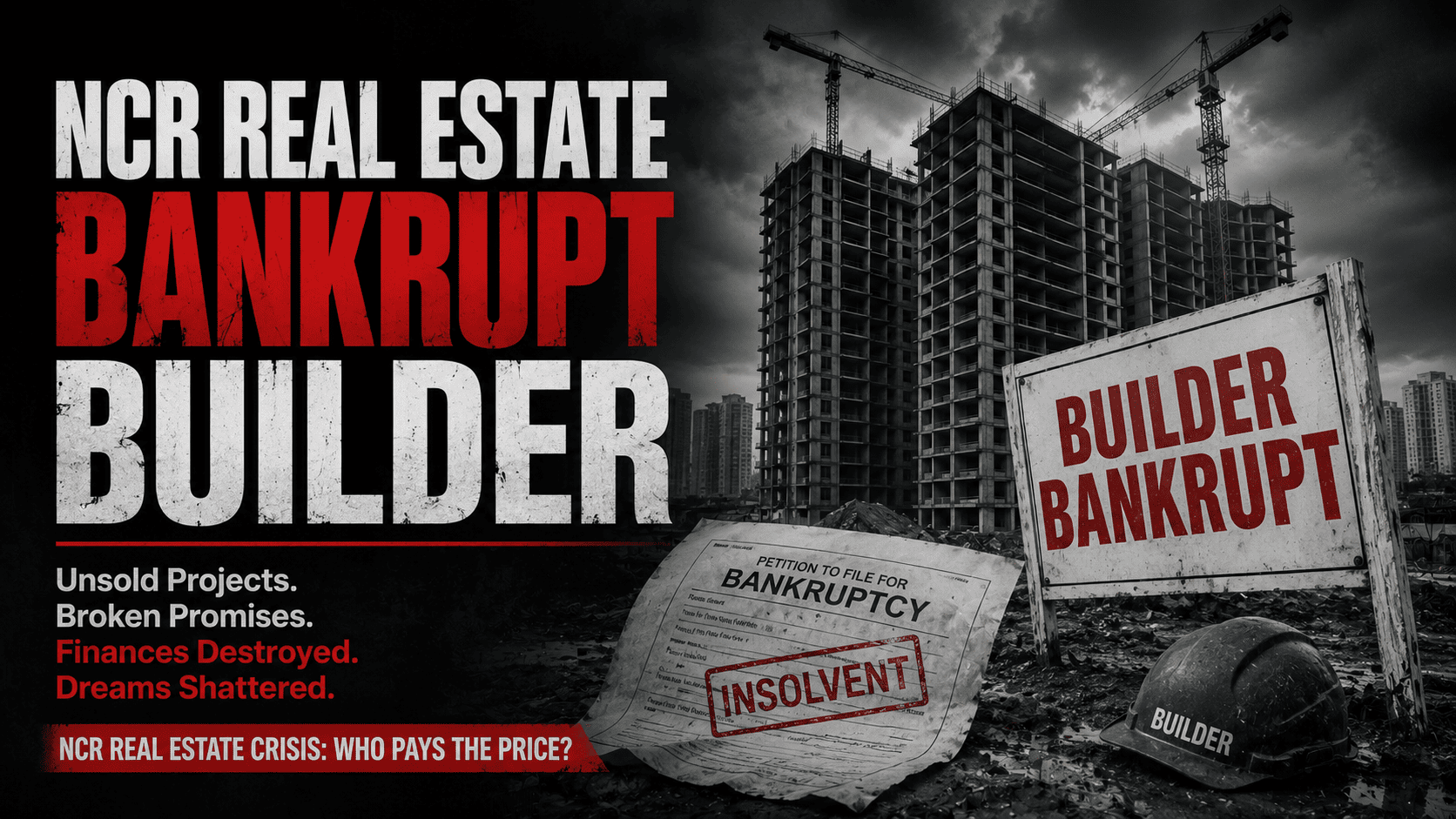
The NCR real estate crisis basically started because developers launched too many projects at once, diverted buyer funds elsewhere, and ran out of cash. Today, laws like RERA and the IBC are trying to fix this mess by giving homebuyers legal rights and bringing in new developers to finish stalled homes.
If you visit anywhere near Delhi, Noida, or Greater Noida right now in 2026, you will probably see those massive, gray, unfinished concrete towers. It is a tough situation. Thousands of families put their life savings into those dream homes. Let's break down exactly what happened with this NCR real estate crisis and what it means for regular people.
How the Builder Bankruptcies Actually Started
Back in the early 2010s, the property market here was booming. Builders were launching projects left and right. But here is the thing. Instead of using your money to build your specific apartment, they pooled it all together.
They took funds from one project and bought land for another. It was a massive house of cards. When the economy slowed down and banks tightened their lending, the cash dried up instantly.
Suddenly, we saw a massive wave of builder bankruptcies. Buyers were left completely stranded. They were stuck paying heavy home loan EMIs to the bank while still paying rent for their current apartments. And before 2018, the law treated buyers as unsecured creditors. That meant if a builder went bust, banks got paid first, and families usually got absolutely nothing.
The Game Changer: RERA Rules for Homebuyers
Things had to change. So, the government brought in the Real Estate Regulation and Development Act, or RERA, in 2016. This was a huge lifeline for everyday investors.
Before RERA, builders used a general corporate bank account. Now, they have to put 70% of the money they collect into a strict project-specific escrow account. They just can't pull that money out for a random new land purchase anymore.
To be honest, these RERA rules for homebuyers have been the most effective way to stop the bleeding. It makes sure that new projects actually have the capital they need to get built. If a builder messes up now, authorities can even step in and hand the project over to someone else.
Understanding NCLT Insolvency Proceedings
But what about the legacy cases? The older stalled housing projects? That is where the National Company Law Tribunal comes in.
In 2018, the law changed to make homebuyers financial creditors. This was a massive shift. It meant buyers finally got a seat at the table. If a developer goes into NCLT insolvency proceedings today, the buyers actually get to vote on what happens next.
But getting a case into the NCLT isn't exactly a walk in the park. You need at least 100 buyers, or 10% of the project's buyers, to file a joint petition. This stops one single angry buyer from throwing a whole company into bankruptcy over a minor delay.
The truth is, the NCLT process is still painfully slow. It involves a lot of legal battles between banks and buyers. But the good news is that we are finally seeing big, reliable developers and government-backed stress funds stepping up. They are bringing in the last-minute cash needed to finish these properties.
Looking Ahead at Stalled Housing Projects
So, where are we heading next? The courts are getting smarter. They are now leaning heavily into project-wise insolvency.
This means if a builder has five projects and only one is failing, they just isolate the bad one. The healthy projects keep running smoothly. It protects the buyers who are in a good project from getting dragged into a legal nightmare.
We might also see technology fix a lot of this in the near future. Imagine smart contracts where bank funds are only released when a drone verifies that the fourth floor is actually built. That kind of digital transparency would make fund diversion practically impossible.
Frequently Asked Questions
What was the main cause of the real estate crisis in NCR?
Builders illegally diverted money collected from buyers into buying more land or funding other businesses. When credit dried up, they didn't have the cash to finish the homes they started.
Do I still have to pay my EMI if my builder goes bankrupt?
Yes, unfortunately. Your home loan is a separate contract with your bank. Even if the builder stops construction, the bank still legally requires you to pay your monthly EMIs.
How does RERA protect my money today?
RERA forces builders to lock 70% of the money they collect from you into a specific escrow account. That money can only be used to construct your exact building, preventing the builder from spending it elsewhere.
Can I get a full refund from the NCLT?
Getting a cash refund is very difficult. The NCLT's main goal is to find a new developer to finish the building. If you insist on a refund, you might only get a small fraction of your money back after a long wait.
What is project-wise insolvency?
Instead of bankrupting an entire real estate company, the courts now try to isolate just the specific housing project that failed. This keeps the builder's other healthy projects moving forward without freezing their bank accounts.
Keywords and Tags Primary Keyword: NCR real estate crisis Secondary Keywords: builder bankruptcies, NCLT insolvency proceedings, RERA rules for homebuyers, stalled housing projects Tags: real estate India, IBC amendments, Noida housing crisis, homebuyer rights, property investment safety
Have a story idea, tip, or ask us for any project?
Submit your insights, real estate queries, story ideas, or project inquiries directly to our editorial team using our quick submission form.
Submit Your InquiryLooking for tailored advice?
Get in touch with our experts. We're here to help you navigate your queries and provide the best solutions.