
Gurugram Real Estate History: The Story Behind India's Ultimate Luxury Property Boom
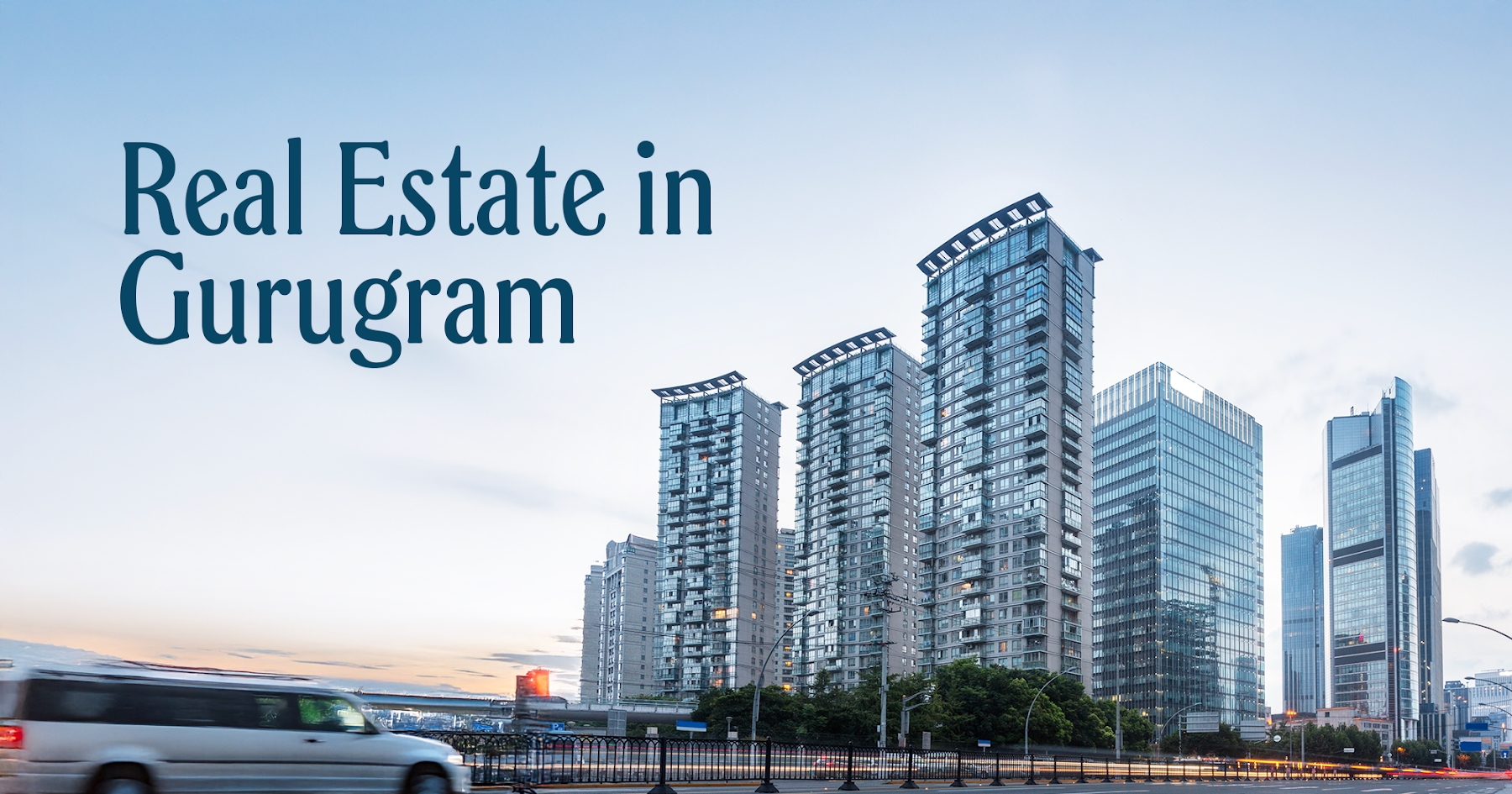
Gurugram real estate history is an incredible story of rapid transformation that completely rewrote the rules of urban development in India. The area changed from a silent agricultural suburb of Delhi into a massive global business district and a magnet for ultra-luxury property investments. If you ask me, looking back at how this unique market matured over the decades is the single best way to understand where the best property yields are hiding today.
What is the history of real estate in Gurugram?
The history of real estate in Gurugram began in the late 1970s as an agricultural zone, exploded in the 1980s with major automotive manufacturing, transformed into a global IT and corporate headquarters hub by the 2000s, and has now evolved into India's most expensive luxury high-rise housing market.
How did private developers shape the early land layout?
The modern property story of the region started with a massive policy shift by the Haryana government in the late 1970s. Unlike most Indian cities where urban development was strictly controlled by state agencies, this district opened its doors wide to private real estate builders.
Early pioneers like DLF, Ansal, and Unitech stepped in to assemble large parcels of farmland. They laid down the blueprints for organized private townships and low-rise plotted residential layouts. Delhi was already facing severe expansion constraints, so this newly opened pocket naturally captured the massive spillover demand from the capital city.
What was the turning point for commercial land demand?
The real spark that changed the local economy forever arrived in 1981 when Maruti Udyog set up its landmark car manufacturing factory. This massive industrial anchor brought in a wave of suppliers, accessory units, and factory workers, which instantly pushed land prices up.
The true corporate explosion happened a decade later when global giant General Electric set up its business outsourcing operations here. This single move turned the city into an corporate hub. Sprawling commercial zones like Cyber City and Udyog Vihar shot up quickly to house hundreds of incoming Fortune 500 companies, completely changing how commercial real estate was valued.
How did infrastructure create modern luxury corridors?
As corporate salaries grew, the demand for housing shifted from basic residential blocks to global-standard luxury apartments. The physical connectivity of the city scaled up rapidly with the launch of the DND Flyway, the Delhi Metro, and the localized Rapid Metro network.
In the last decade, specific micro-markets took off due to mega-highway projects. The construction of the Golf Course Road, Golf Course Extension Road, and the Southern Peripheral Road created highly elite residential corridors. These belts are now famous for sky bungalows, penthouses, and branded residences that offer high-tech automation and premium club facilities.
Where is the property market moving next?
Today, the center of gravity for new development is shifting toward major infrastructure corridors. The full activation of the massive Dwarka Expressway has completely reset local land valuations, drawing huge investments from non-resident Indians and high-net-worth families.
The upcoming Global City project and the massive connectivity coming from the New Delhi International Airport link are solidifying the region's position. The current trend is leaning heavily toward mixed-use premium high-rises, AI-managed smart homes, and massive commercial centers that cater to tech-driven corporate spaces.
Frequently Asked Questions
Why was the city renamed from Gurgaon to Gurugram?
The Union Government officially changed the name to Gurugram in September 2016 to honor the historical and traditional roots of the region.
What was the Maruti moment in local property history?
It refers to the 1981 establishment of the Maruti Suzuki car factory, which acted as the main catalyst for industrial road growth and initial land price appreciation.
How much have property values grown over the last decade?
Property prices across key corridors saw massive growth over the past ten years, with capital appreciation rising anywhere between fifty percent to over one hundred percent depending on the specific sector.
Why is Golf Course Road considered a premium real estate belt?
This corridor acts as an elite preservation zone because it offers high-end luxury infrastructure, supreme corporate proximity, and some of the highest rental yields in northern India.
How is the Dwarka Expressway impacting current property trends?
The expressway has opened up fresh high-growth sectors, completely cutting travel time to Delhi and triggering a wave of ultra-luxury apartment launches.
Have a story idea, tip, or ask us for any project?
Submit your insights, real estate queries, story ideas, or project inquiries directly to our editorial team using our quick submission form.
Submit Your InquiryLooking for tailored advice?
Get in touch with our experts. We're here to help you navigate your queries and provide the best solutions.