
The Complete Guide to Understanding the Indian Monsoon System
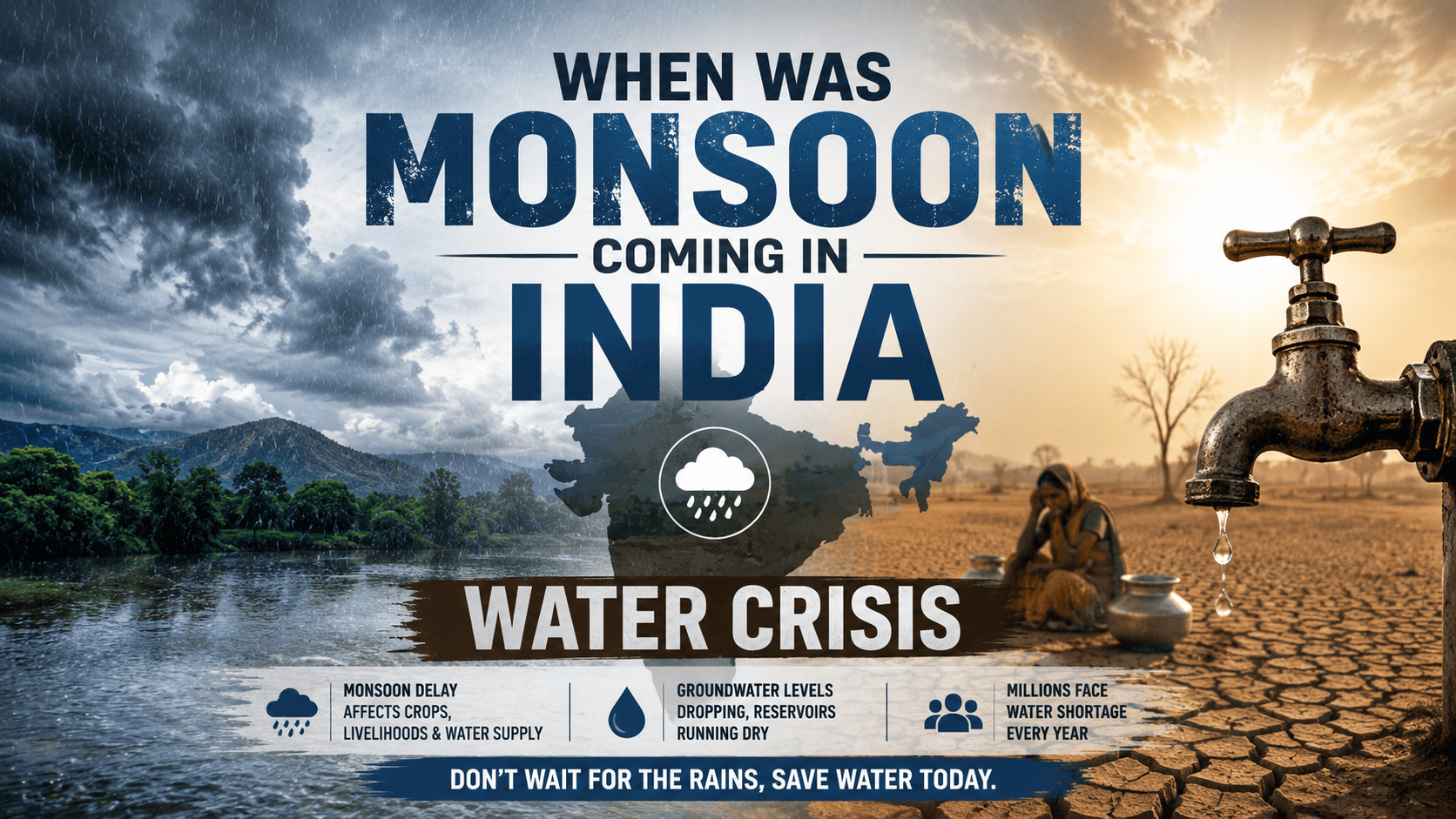
The Indian monsoon system is a massive seasonal reversal of winds that brings heavy summer rains to the subcontinent. It's driven completely by the intense temperature difference between the hot landmass and the cooler Indian Ocean.
To be honest, most of us just associate the monsoon with hot chai, pakoras, and massive traffic jams. But the truth is, this massive weather event is the absolute backbone of the country's survival.
If you look closely at the Indian monsoon system, it's actually a beautiful, complex machine. And it has been running for millions of years. Let's break down exactly how it works without getting bogged down in heavy scientific jargon.
Where did the monsoon come from?
You might be surprised to know that the whole setup started about 50 million years ago. That's when the Indian tectonic plate crashed into Eurasia and pushed up the Himalayas.
Those mountains act like a giant wall. They stop freezing Arctic air from coming down and trap the summer heat over the Tibetan Plateau. This intense heat acts like an engine that sucks in wet winds straight from the sea.
And here's a fun fact about the name. Ancient Arab sailors who traded spices actually coined the term. They used the Arabic word mausim, which simply means season, to describe these predictable winds.
How do monsoon rainfall predictions work today?
Predicting the rain used to rely on watching animals or tree blooms. But today, the India Meteorological Department handles all the heavy lifting. They use supercomputers and satellite data to map out the rains months in advance.
Accurate monsoon rainfall predictions are incredibly important. Farmers completely depend on these forecasts to know exactly when to plant their crops. If they plant seeds too early and the rain is delayed, the entire crop can die.
What exactly counts as a normal monsoon?
We hear the word normal on the news all the time. But what does it actually mean?
The weather experts have a specific baseline called the Long Period Average. Right now, based on data from 1971 to 2020, a normal season means the country gets about 86.8 centimeters of rain between June and September.
So, here's how the timeline generally looks:
June 1st: The winds officially hit the Kerala coast.
Late June: The rain clouds make their way up to Delhi and northern areas.
Mid-October: The clouds finally pack up and withdraw entirely.
The real impact on India weather patterns
Let's be real for a second. The way you experience the rain completely depends on where you live.
If you're in a big city, India weather patterns usually just mean flooded streets. Our modern concrete cities don't let the water soak into the ground. So, heavy downpours just overwhelm the drains and cause chaos.
But out in the rural areas, the story is entirely different. Millions of farmers rely heavily on rain-fed agriculture. A delay of even ten days can ruin an entire harvest season. Historically, whenever the monsoon failed, it led to massive droughts and economic trouble.
Climate change effects on monsoon rains
Things are definitely shifting right now. Global temperatures are rising, and the Indian Ocean is getting warmer. Because of this, climate change effects on monsoon patterns are becoming impossible to ignore.
We're starting to see much longer dry spells interrupted by absolutely crazy, intense bursts of rain. The total amount of rain might actually increase a bit over the next few decades. But it'll fall in fewer days, which easily washes away farm soil and causes sudden urban flooding.
To survive this, our cities really need to adapt. We need to build sponge cities with green roofs and permeable roads to soak up the excess water instead of just trying to drain it away.
FAQ: Common Questions About the Monsoon
What is the El Nino effect?
El Nino is a temporary warming of the Pacific Ocean that shifts global winds. It usually pushes moisture away from India, which often results in severe droughts and delayed rainfall for the subcontinent.
Why does the monsoon hit Kerala first?
Kerala sits at the very southern tip of the Indian peninsula. Since the moisture-heavy winds blow in from the southwest across the Indian Ocean, the Kerala coastline is the first landmass they crash into.
What causes a monsoon break?
A break happens when the main rain-bearing winds shift north toward the Himalayas. This causes heavy rain in the northeast but leaves central and southern India completely dry for a week or more.
Can artificial intelligence improve weather forecasts?
Yes, absolutely. AI can look at decades of historical weather data and spot hidden patterns that traditional models miss. This means we'll soon be able to predict localized heavy cloudbursts hours before they happen.
Will the monsoon season get longer in the future?
It's very likely. We're already seeing the rains withdraw much later in October than they used to. This delayed exit might eventually force experts to permanently redraw the official monsoon calendar.
Have a story idea, tip, or ask us for any project?
Submit your insights, real estate queries, story ideas, or project inquiries directly to our editorial team using our quick submission form.
Submit Your InquiryLooking for tailored advice?
Get in touch with our experts. We're here to help you navigate your queries and provide the best solutions.