
Okhla Bird Sanctuary Guide 2026: Timings, Tickets & The Hidden Impact on Noida Real Estate
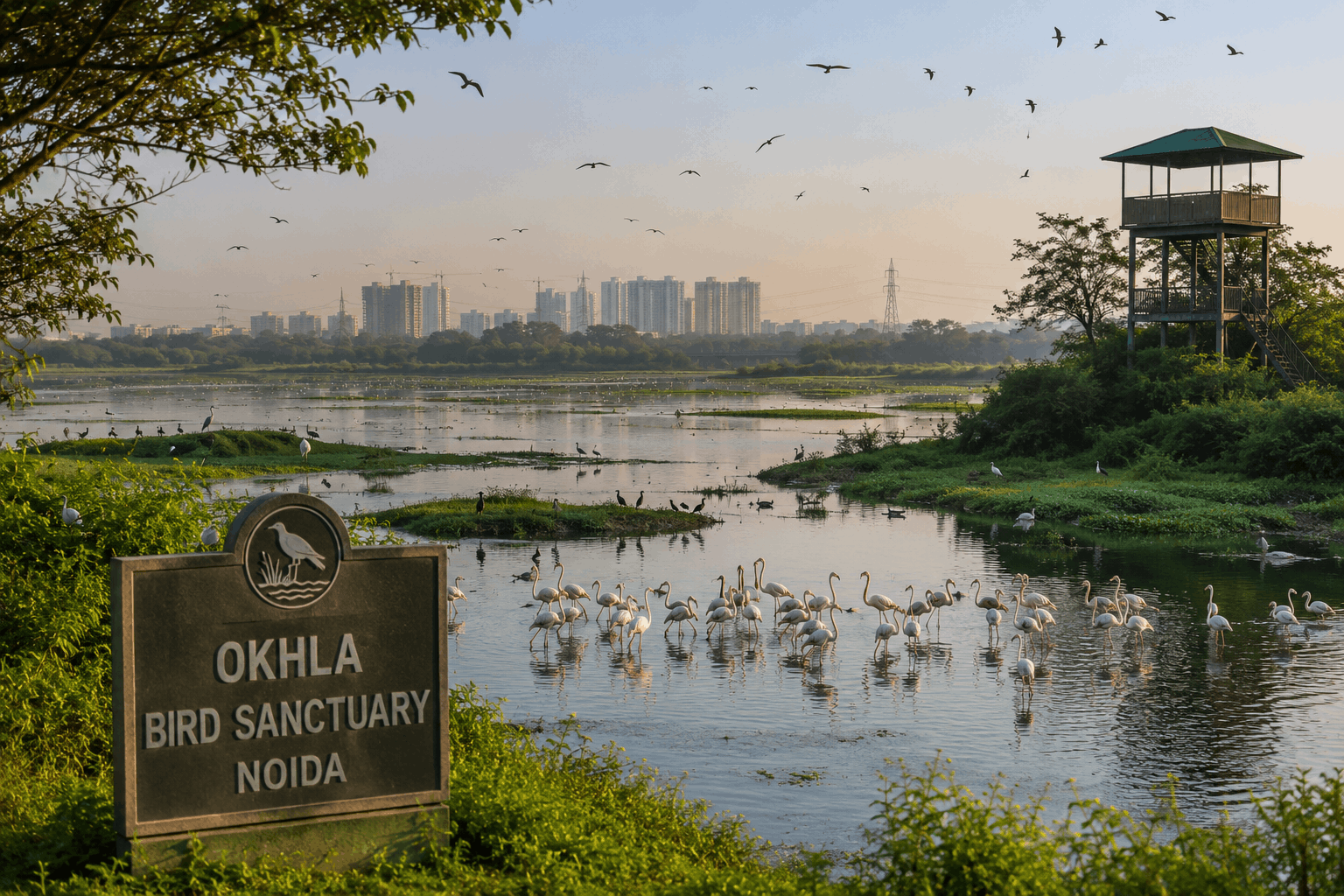
Executive Summary & Key Takeaways
- Indian entry fee is exactly ₹30; foreign nationals pay ₹350.
- Winter timings are 7:30 AM to 5:00 PM (Oct-March).
- Summer timings are 7:00 AM to 5:30 PM (April-Sept).
- Peak migration season is November to February for rare birds.
- Protected wetlands create a 'Green Premium' for Sector 94 real estate.
In our market observations across the Delhi-NCR region, rapid urbanization and aggressive infrastructure pushes often overshadow the critical importance of protected ecological zones. However, seasoned analysts and real estate investors understand that permanent green lungs are absolute multipliers for localized quality of life and subsequent capital values. The Okhla Bird Sanctuary is arguably the most vital of these assets.
Spanning approximately 4 square kilometers where the Yamuna River exits Delhi and enters Uttar Pradesh, this sanctuary was established in 1990. Today, it stands as a rare, protected wetland habitat amidst the concrete expansion of the Noida Expressway corridor. Whether you are a nature lover planning a weekend trip, a school group coordinating an educational tour, or an urban planner analyzing the NCR real estate landscape, understanding the logistics and ecological weight of this sanctuary is essential.
Entry Fees and Timings: 2026 Updates
Planning your visit begins with understanding the strict operational hours maintained by the Uttar Pradesh Forest Department. The administration enforces seasonal timing shifts to accommodate the natural light and active periods of the local wildlife.
| Visitor Category | 2026 Ticket Price | Additional Conditions |
|---|---|---|
| Indian Nationals | ₹30 per person | Valid photo ID may be requested at the gate. |
| Foreign Nationals | ₹350 per person | Passport copy recommended for verification. |
| Children | ₹10 per child | Standard concession rate. |
| Still / DSLR Camera | ₹500 per visit | Fees scale up drastically for commercial/movie cameras. |
Is entry free on any day? No, entry is never free for the general public, regardless of the day of the week. The revenue generated is critical for the maintenance of the sanctuary and anti-poaching patrols. The best time of day to visit is undoubtedly the early morning (between 7:30 AM and 9:30 AM) when bird activity is at its absolute peak, and the golden hour lighting offers the best visibility before the urban smog settles.
Best Time of Year to Visit
The ecological calendar of the sanctuary dictates the visitor experience. From October to February, the sanctuary transforms during the winter migration season. Thousands of migratory birds travel from Siberia, Central Asia, and Europe.
While the monsoon season (July to September) offers lush greenery, bird sightings drop significantly. In a contrarian market view, visiting during the peak summer months (May to June) is generally not recommended unless you are targeting resident species, as the extreme heat suppresses both bird activity and human comfort.
Birds You Can Spot: Demystifying the Ecosystem
The true capital of the Okhla Bird Sanctuary lies in its staggering biodiversity. With over 300 recorded species, the sanctuary is divided into resident birds (species that inhabit the wetlands year-round) and migratory species. Resident birds include the Indian Peafowl, White-throated Kingfisher, and various egrets.
During winter, the arrival of the Northern Shoveler, Baikal Teal, and the endangered White-rumped Vulture creates a massive influx of nature photographers. A frequent question we see in search data is: Does Okhla Bird Sanctuary have kiwi birds? The answer is a definitive no. Kiwis are flightless birds endemic to New Zealand. You will not find them in the Indian subcontinent.
For the best experience, invest in a decent pair of binoculars and respect the quiet zones. Silence is golden in birdwatching; loud noises will guarantee a failed expedition.
How to Reach Okhla Bird Sanctuary
From an urban infrastructure perspective, the connectivity to this green zone is seamless, which is why it heavily influences the surrounding NCR real estate valuation.
By Metro (The Most Efficient Route)
Board the Delhi Metro Magenta Line and alight at the Okhla Bird Sanctuary Metro Station. From the station, the main entrance is a brief 300-meter walk. This eliminates the hassle of navigating border traffic.
By Road (From Corporate Hubs)
If you are traveling from major Noida corporate sectors like HCL Noida Sector 126 or Sector 16, take the Noida-Greater Expressway towards the Kalindi Kunj border. The drive from Sector 126 takes barely 10 to 15 minutes during non-peak hours.
Parking Availability
Parking is available at the sanctuary entrance. However, during prime winter weekends, institutional investors and local families flock here, making the parking lot highly congested by 9:00 AM. Arrive early.
What to Carry and Facilities Inside
When entering the sanctuary, preparation is key. There are no food stalls allowed inside to prevent littering and ecological damage. Carry reusable water bottles, comfortable walking shoes with hard soles, and wear dull or camouflaged clothing to blend in.
Drone Rules: Flying drones is strictly prohibited and can invite immediate confiscation and legal action by authorities. The sanctuary provides basic facilities like walking paths, watchtowers, and benches. If you wish to dive deep into avian ecology, you can request informal guided tours at the administration office.
Nearby Attractions & Extended Itineraries
If you are planning a full-day excursion, the area surrounding the sanctuary offers multiple touchpoints. The Okhla Barrage viewpoint offers stunning panoramic views of the Yamuna River. For those looking to integrate this into a broader financial or lifestyle exploration of the city, consider visiting nearby hubs. The real estate developments around this area are a testament to how long-term investments in infrastructure yield compounding lifestyle returns.
Frequently Asked Questions
1. Is Okhla Bird Sanctuary free?
No, entry to the Okhla Bird Sanctuary is not free. Indian nationals pay ₹30 per person, while foreign nationals pay ₹350 per day. Children's tickets are typically priced around ₹10.
2. What is the ticket price for Okhla Bird Sanctuary?
As of 2026, the standard ticket price is ₹30 for Indians and ₹350 for foreigners. Professional camera fees range from ₹500 to higher tiers depending on the equipment size and purpose.
3. What are the timings for Okhla Bird Sanctuary?
In summer (April to September), the sanctuary is open from 7:00 AM to 5:30 PM. In winter (October to March), it operates from 7:30 AM to 5:00 PM.
4. Does Okhla Bird Sanctuary have kiwi birds?
No, the Okhla Bird Sanctuary does not have kiwi birds. Kiwis are flightless birds endemic solely to New Zealand and do not migrate to India.
5. What is the best time to visit Okhla Bird Sanctuary?
The absolute best time to visit is between November and February during the winter migration season, preferably in the early morning hours between 7:30 AM and 10:00 AM.
6. How to reach Okhla Bird Sanctuary by Metro?
The easiest way is to take the Delhi Metro's Magenta Line and alight at the Okhla Bird Sanctuary Metro Station, which is only a short 300-meter walk from the main entrance.
7. Are guided tours available inside the sanctuary?
Yes, informal guided tours and educational walks can often be arranged via the sanctuary administration, particularly useful for spotting rare migratory species during the winter peak.
8. Is parking available at the sanctuary?
Yes, parking is available near the entrance gate on the Noida side. Visitors arriving in private cars can park for a nominal fee, though it gets crowded on winter weekends.
9. What is the size of the Okhla Bird Sanctuary?
The sanctuary spans approximately 4 square kilometers, covering the wetlands formed by the Yamuna barrage at the Delhi-Uttar Pradesh border.
10. When was the Okhla Bird Sanctuary established?
It was officially established as a protected wildlife sanctuary in the year 1990 by the Uttar Pradesh Forest Department.
11. Can I fly a drone inside the sanctuary?
No, flying drones is strictly prohibited inside the sanctuary to prevent disturbance to the bird populations and due to local aviation regulations.
12. Are there food stalls inside the sanctuary?
No food stalls are permitted inside to maintain the ecological balance and prevent littering. Visitors should carry their own water bottles and take all waste back with them.
13. How far is the sanctuary from HCL Noida Sector 126?
The sanctuary is very close to Sector 126, just about a 10 to 15-minute drive via the Noida-Greater Noida Expressway, making it highly accessible for IT professionals.
14. Which migratory birds arrive in winter?
During winter, you can spot the Baikal Teal, Northern Shoveler, White-rumped Vulture, and flocks of Siberian migratory birds seeking refuge in the wetlands.
15. How does the sanctuary impact nearby real estate?
Protected green zones like the sanctuary create a 'green premium' for nearby luxury real estate, driving up capital values due to guaranteed un-obstructed views and better air quality. For a deeper dive into this phenomenon, review our real estate investment guide.
Have a story idea, tip, or ask us for any project?
Submit your insights, real estate queries, story ideas, or project inquiries directly to our editorial team using our quick submission form.
Submit Your InquiryLooking for tailored advice?
Get in touch with our experts. We're here to help you navigate your queries and provide the best solutions.